Flooding is one of the most stressful events a Brisbane homeowner can face. Whether caused by storms, burst pipes, or rising rivers, the damage can escalate quickly. This guide is your step-by-step resource to safely recover your property, protect your health, and work smoothly with insurers.
🌊 Step 1: Immediate Actions When Flooding Occurs
Stay safe before anything else:
• Switch off electricity and gas if it’s safe.
• Avoid contact with floodwater — it may contain sewage, chemicals, or debris.
• Evacuate if water levels are rising quickly.
Who to call first:
• Emergency Services (SES): 132 500
• Energex: 13 19 62 (for power)
• Urban Utilities: 13 23 64 (water/sewer issues)
Who to call first:
• Emergency Services (SES): 132 500
• Energex: 13 19 62 (for power)
• Urban Utilities: 13 23 64 (water/sewer issues)
Quick salvage list:
• Important documents & IDs
• Passports, birth certificates, insurance policies
• Laptops, phones, hard drives
• Sentimental items (photos, keepsakes)
👉 Download: [First Hour Flood Checklist – PDF].
🧹 Step 2: Emergency Flood Cleanup Basics
Flood cleanup begins the moment it’s safe to re-enter:
• Ventilation: Open windows and doors (if weather permits).
• Remove standing water: Use buckets, mops, or a wet/dry vacuum if available.
• Carpet & rugs: Lift and separate from underlay if saturated.
• Furniture: Move to dry areas or elevate on blocks.
⚠️ Mould begins forming in 24–48 hours. Fast action is critical.
🛠️ Step 3: Professional Water Damage Restoration Process
Professional flood cleanup in Brisbane follows strict IICRC S500 guidelines:
1. Inspection & moisture mapping – using meters to detect hidden moisture.
2. Water extraction – high-powered pumps and truck-mount vacuums.
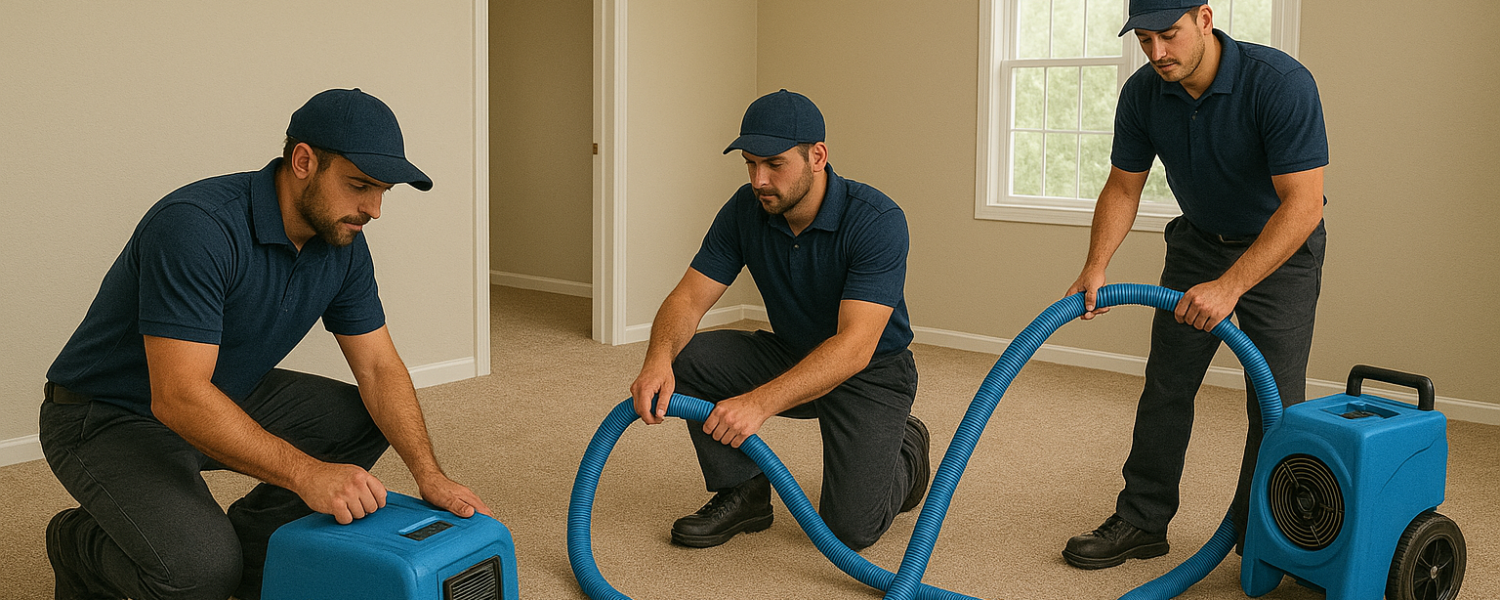
3. Structural drying – dehumidifiers and air movers target walls, floors, and cavities.
4. Carpet drying / removal – depending on severity and underlay type.
5. Mould prevention – antimicrobial treatments and air filtration.
📊 Infographic idea: “The 5 Phases of Flood Restoration.”
🧾 Step 4: Insurance, Claims & Costs
Flood cleanup can be expensive — but insurance often covers it.
• Typical costs in Brisbane (2025):
o Wet carpet drying: $500–$1,500
o Whole-house structural drying: $3,000–$10,000
o Mould remediation: $2,000+
How to file an insurance claim:
1. Document everything with photos & videos.
2. Keep receipts for emergency expenses.
3. Request a moisture report from your restoration company.
4. Lodge claim ASAP with your insurer (Suncorp, RACQ, Allianz, NRMA, etc.).
💡 Tip: Insurers classify items as restorable or non-restorable. The faster you act, the more can be saved.
🏘️ Step 5: Special Considerations for Brisbane Homes
Brisbane’s climate and construction create unique flood risks:
• Timber floors → prone to cupping & swelling, may require specialised drying.
• Vinyl plank flooring → often shrinks if not acclimatised, sometimes non-restorable.
• Carpet underlays → some act as moisture barriers, trapping water beneath.
• High humidity → slows drying and increases mould risk.
📍 Flood-prone suburbs: Brisbane CBD, Rocklea, Graceville, Yeronga, Windsor, Milton, New Farm.
🧼 Step 6: Mould Prevention & Remediation
Mould is a major post-flood hazard in Brisbane’s humid climate.
Early warning signs:
• Musty odour
• Discoloured patches on walls, carpets, or ceilings
• Allergy or asthma flare-ups
DIY tips (minor issues only):
• Scrub hard surfaces with detergent + warm water.
• Dry thoroughly.
Professional remediation (for larger contamination):
• Containment & HEPA air filtration.
• Removal of affected materials.
• Encapsulation (e.g., IAQ6000 or IAQ6100).
📦 Step 7: Cleaning Contents & Belongings
Restorable items:
• Furniture → clean & dry within 48 hrs.
• Electronics → may be restored by specialists if not submerged long.
• Clothing & bedding → hot wash with sanitiser.
Non-restorable items:
• Mattresses, soaked particle board, heavily contaminated carpets.
Pro tip: Many restoration companies offer pack-out services → inventory & clean contents off-site.
🔄 Step 8: Long-Term Prevention & Flood Preparedness
Floods will happen again — here’s how to prepare:
• Install backflow prevention valves.
• Raise powerpoints and wiring above flood level.
• Use flood-resistant building materials in renovations.
• Keep an emergency grab-and-go bag with essentials.
👉 Download: [Flood Preparedness Checklist – Brisbane Homes PDF].
❓ FAQ Section
How long does it take to dry out a flooded house?
3–7 days with professional equipment, depending on severity.
Can wet carpet be saved after 3 days?
Rarely. After 72 hrs, mould and odour usually mean replacement.
Will insurance cover mould damage?
Often yes, if caused by a sudden flood event — but not if due to neglect.
What’s the cost of professional flood restoration in Brisbane?
$3,000–$15,000+ depending on home size and damage.
🏢 Why Choose Brisbane Flood Cleanup
• 24/7 Emergency Response — we’re always ready.
• Insurance-friendly reporting — we work with all major insurers.
• Local expertise — Brisbane climate, construction, and insurers are unique.
• Case study: 2022 floods – restored a Rocklea home in 6 days, saving $40,000 in rebuild costs.
📞 Call us now: 1300 7000 095